
A lithium-ion battery fire in downtown Spokane over the weekend displaced about 50 people from an apartment building and required decontamination of Spokane Fire Department crews after the blaze was extinguished. Local authorities said the fire was sparked by the battery of an e-bike and described it as the latest incident in a regional pattern of lithium-ion battery fires.
What firefighters found and advised
Spokane Fire Department public information officer Justin de Ruyter said lithium-ion battery failures can escalate rapidly and most commonly occur while the battery is charging. He and SFD warned that aftermarket batteries and aftermarket chargers are frequent contributors to such incidents.
“They can go just really, really quickly,” said SFD's public information officer Justin de Ruyter.
SFD advised residents and building operators to avoid leaving batteries charging unattended and to charge batteries outside a living space where possible to reduce the chance of a fire spreading inside a building. The department also urged people to avoid buying aftermarket batteries or chargers.
Practical guidance for installers and property managers
The Spokane incident underlines several practical steps that matter to professional installers, integrators and property managers who handle or advise on the deployment of battery-powered equipment in homes and multifamily buildings:
- Replace aging batteries: SFD suggested most lithium-ion batteries should be replaced after 7–10 years.
- Avoid aftermarket power components: aftermarket batteries and chargers were singled out as common causes in local investigations.
- Supervise charging: do not leave batteries charging unattended; charge outside living spaces when possible.
- Isolate and evacuate: in a malfunction, occupants should shut doors behind them, get clear of the area and call fire services rather than attempting prolonged firefighting efforts due to toxic fumes.
After the Spokane building fire, Catholic Charities said the Department of Health entered the structure to check for toxic odors before allowing residents to return. Fire crews noted they had to decontaminate after exposure to the scene.
Implications for specifying and installing battery systems
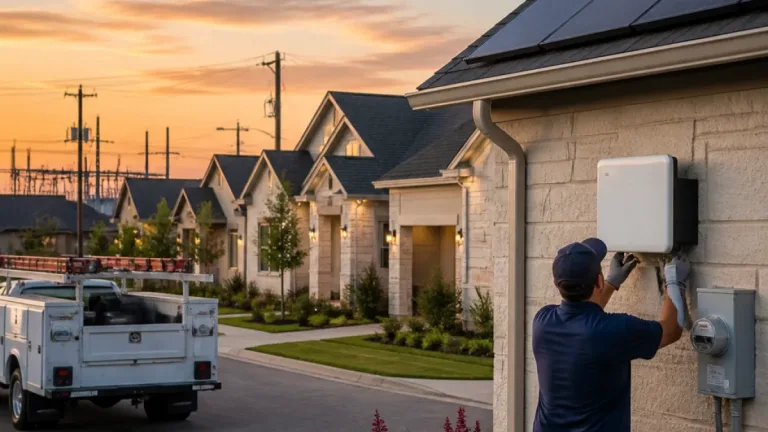
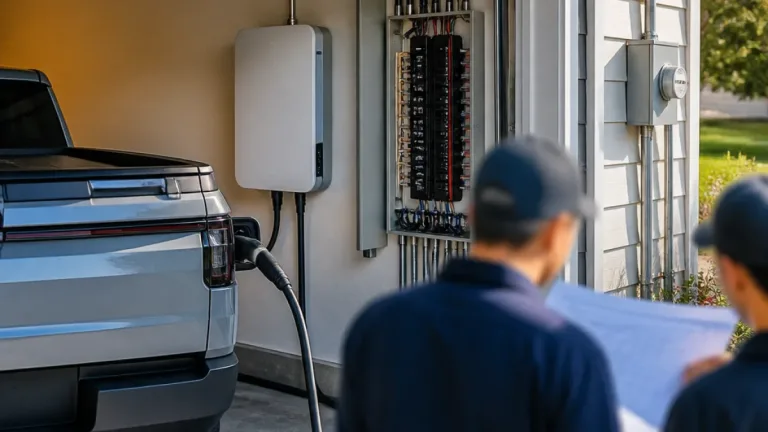
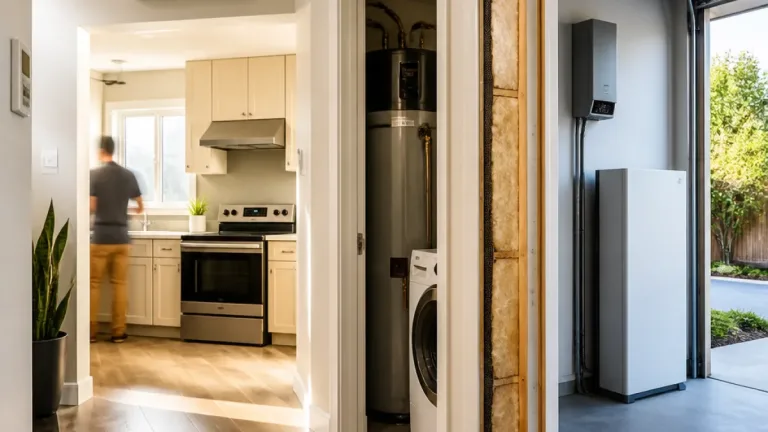
While this account focuses on an e-bike battery as the ignition source, the practical advice applies more broadly to portable and fixed lithium-ion systems found in residential settings. Integrators and installers who supply, install or commission battery-backed equipment for customers and multiunit housing operators should document battery age, charging location and charging hardware, and discourage or disallow the use of non-OEM replacement batteries and uncertified chargers in common areas.
| Issue | Action |
|---|---|
| Battery age | Plan replacement at 7–10 years |
| Charging location | Charge outside living spaces when feasible |
| Aftermarket components | Avoid aftermarket batteries and chargers |
The Spokane Fire Department's account, and Catholic Charities’ follow-up with the Department of Health, emphasize that lithium-ion incidents can require both emergency response and post-incident environmental checks before reoccupation.
Installers and property managers should incorporate these operational considerations into client briefings, device handover documentation and building policy to reduce the risk of battery-related fires and to ensure a clear response path if a malfunction occurs.