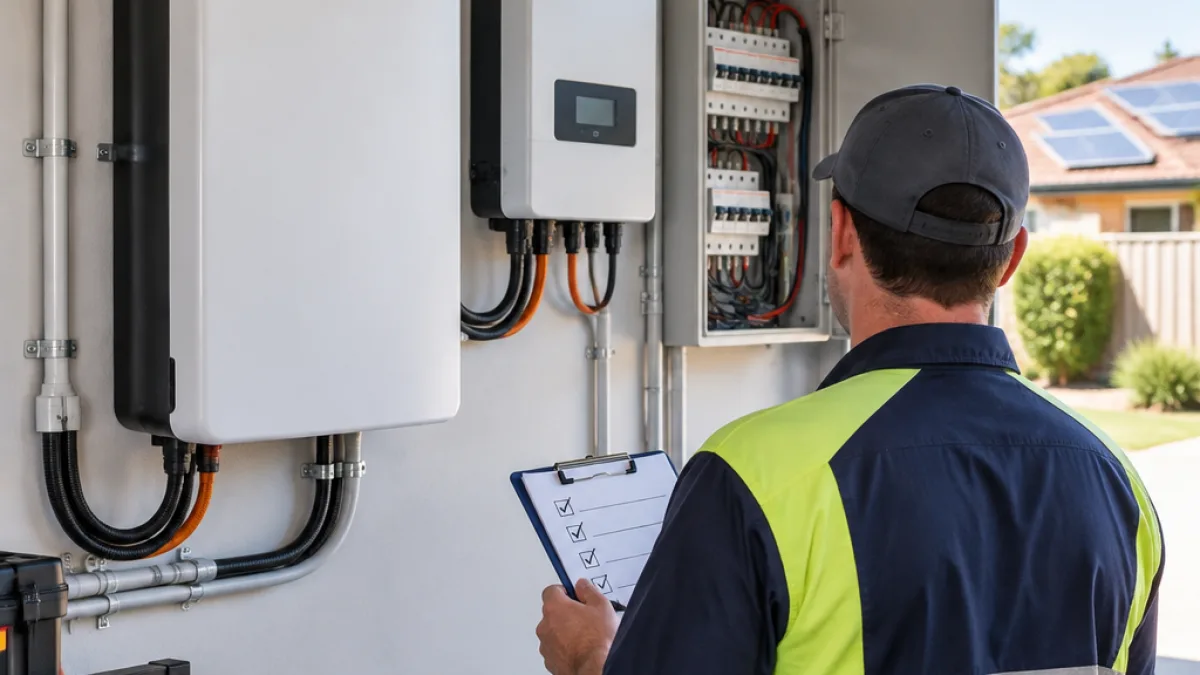
More than 60% of battery energy storage systems inspected by Australia’s Clean Energy Regulator (CER) during the 2025–26 financial year were rated substandard, according to the regulator’s annual inspection report. The findings centered largely on installation quality rather than defective equipment.
The CER completed a record 6,554 inspections under Australia’s Small-scale Renewable Energy Scheme (SRES), including 3,425 solar battery systems and 3,129 solar installations. A substandard classification means that faults were identified and rectification was required; it does not mean that the system was immediately unsafe to remain in operation.
Battery systems showed the highest rate of faults
Within the randomly selected battery sample, 61.19% of installations were rated substandard and 0.95% were classified as unsafe. The solar PV sample produced lower rates: 23.11% were substandard and 0.93% were unsafe. The CER said the unsafe category identifies systems that were not safe to remain in operation as inspected.
| Inspection outcome | Solar battery systems | Solar PV systems |
|---|---|---|
| Randomly selected installations | 3,373 | 3,129 |
| Adequate | 37.86% | 75.97% |
| Substandard | 61.19% | 23.11% |
| Unsafe | 0.95% (32) | 0.93% (29) |
The battery figures in the table come from the regulator’s random sample. The CER conducted a further 52 battery inspections outside that sample, bringing the total number of battery inspections to 3,425. The battery installations covered by the report were installed between July 1, 2025, and April 30, 2026; the solar PV sample covered systems installed between July 1, 2024, and April 30, 2026.
Installation workmanship drove most findings
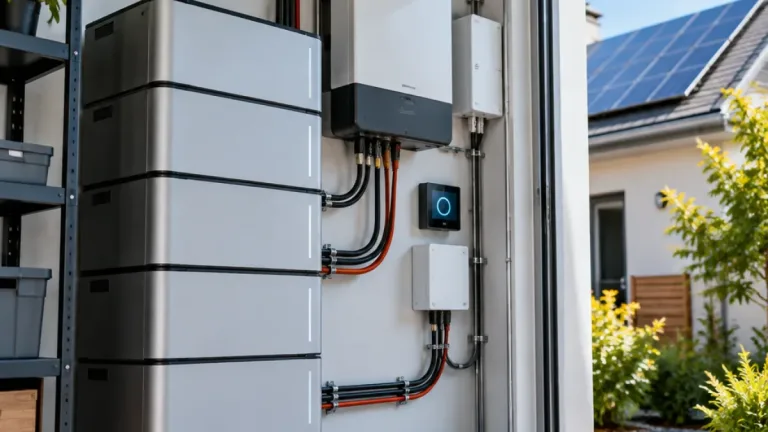
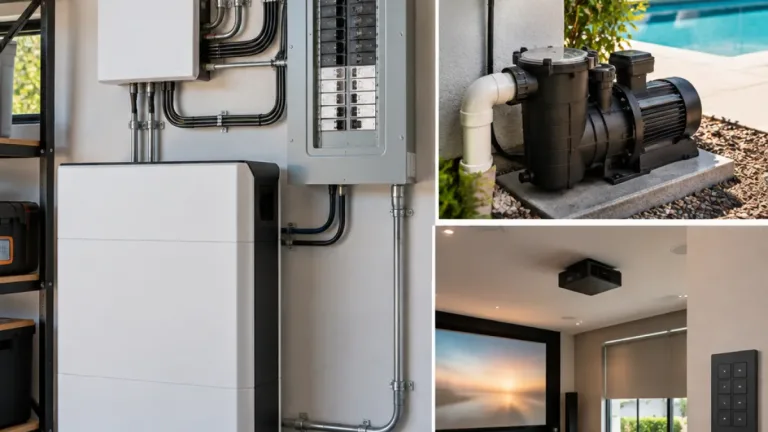
For battery systems, the most common reasons for a substandard rating included missing or incorrect labels, wiring that was missing or configured incorrectly, circuit protection with an insufficient rating, and inadequate physical protection for cables and the battery itself. These are installation and commissioning issues rather than a finding that the battery products themselves were faulty.
- Battery systems: labeling, wiring, circuit protection and physical protection were the leading areas of non-compliance.
- Solar PV systems: incorrectly sized or fitted cabling and conduits, bonding or earthing problems, incompatible or incorrectly installed DC connectors, and improperly fitted mounting structures were among the common faults.
- Unsafe solar systems: 16 of the 29 systems in this category were attributed to unsafe installation work, 12 to third-party incidents such as weather damage, and one to a product recall.
The solar findings similarly pointed to workmanship deficiencies. The CER identified incorrectly sized or fitted cabling and conduits, improper bonding or earthing of panel frames and other equipment, incompatible or incorrectly installed DC connectors, and mounting structures that were not properly fitted among the most frequent causes of substandard ratings.
Battery compliance improved across the inspection sample
The report also recorded a reduction in the battery substandard rate across the installation dates represented in the sample. Systems installed in August 2025 had a substandard rate of 68.3%, compared with 54.9% for systems installed in April 2026. The CER’s inspection program was designed to identify installation trends, risks and areas of non-compliance across systems supported by the SRES.
The results provide a detailed breakdown of the practical defects regulators encountered in a growing energy-storage market. For professional installers, the report’s findings specifically distinguish between a system that operates and one whose wiring, protection, labeling and physical installation meet the required standard. The CER’s report covers Australia’s SRES and does not establish requirements for US installations.