
Residential batteries are taking on a broader grid-management role as demand rises from data centers, electric vehicles and new manufacturing facilities, according to comments by Jigar Shah during a discussion at pv magazine USA Week 2026.
The conversation, led by pv magazine USA Senior Editor Ryan Kennedy, examined virtual power plants (VPPs), commercial storage challenges and the changing business models surrounding distributed energy. Shah’s comments centered on grid capacity rather than the traditional residential-storage proposition of reducing a homeowner’s kilowatt-hour consumption or providing backup during an outage.
Capacity is becoming the central storage issue
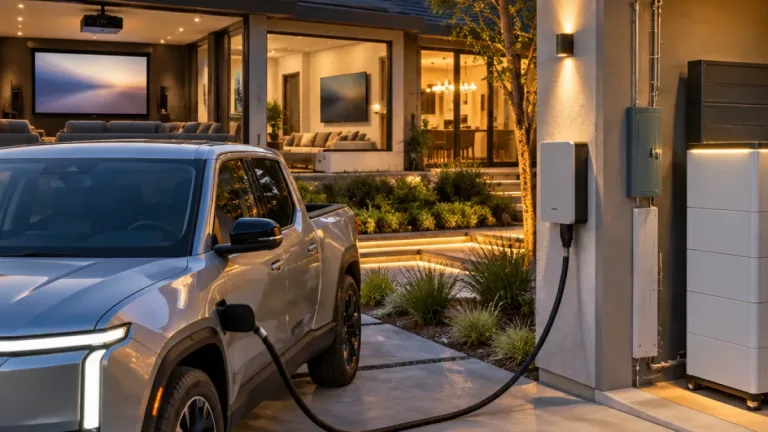
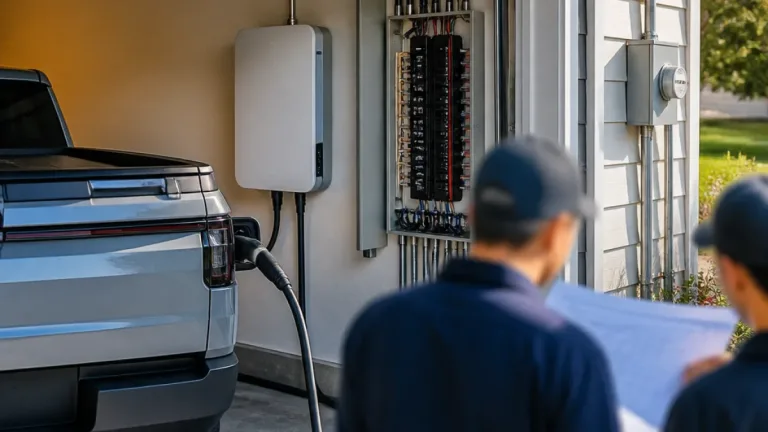
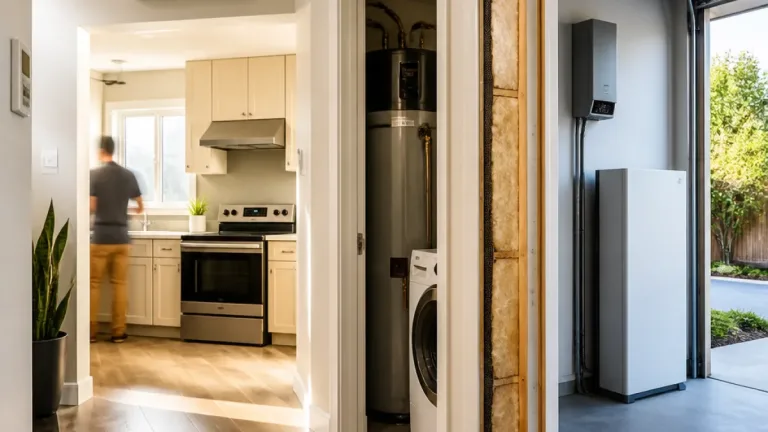
Homeowners commonly view batteries as a way to keep essential loads operating during storms or other grid failures. The discussion placed that function alongside a larger system-level use: coordinating many distributed batteries to support available capacity across communities.
Rapid load growth is being driven by artificial intelligence data centers, EV charging stations and new manufacturing plants. At the same time, utility data cited during the discussion indicated that existing electrical infrastructure can remain underused even while particular locations face lengthy waits for additional capacity.
| Location or program | Figure cited during the discussion |
|---|---|
| Dominion territory in Virginia | Grid utilization of roughly 40% |
| Appalachian Power territory in Virginia | Grid utilization of 14% |
| Texas | Batteries supplying 19% of peak demand |
| Aggregate Distributed Energy Resource initiative | State pilot for coordinating distributed energy resources |
Shah cited recent utility reports from Virginia showing that Dominion utilized its grid roughly 40% of the time, while Appalachian Power (APCo) utilized its grid just 14% of the time. The figures were presented in the context of a mismatch between available infrastructure and the locations where new electrical capacity is needed.
Virtual power plants move storage into grid operations
Distributed batteries can provide an alternative to waiting for local network upgrades, according to the discussion. In Texas, batteries now supply 19% of peak demand, and the conversation linked that deployment with stabilized wholesale prices and the ability of data centers to connect smoothly.
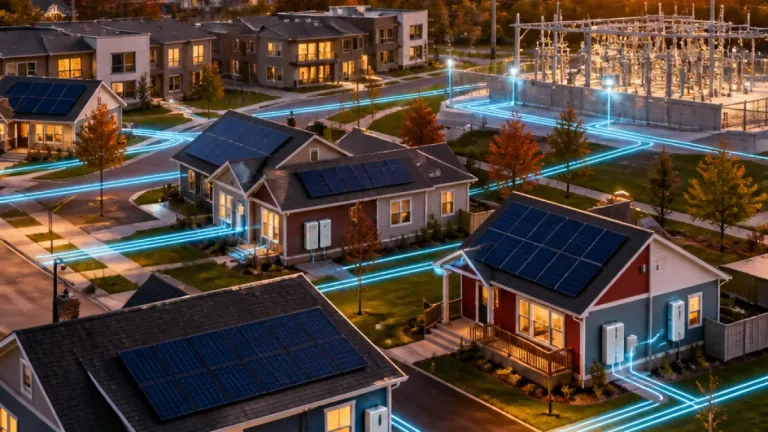
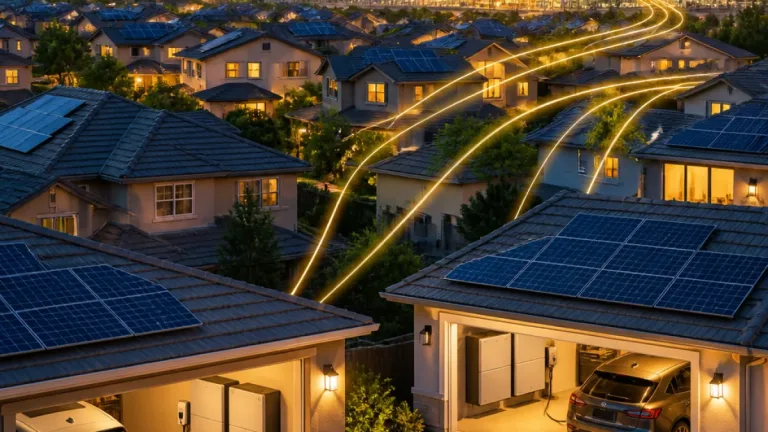
The Aggregate Distributed Energy Resource (ADER) initiative was cited as an example of a state pilot examining how residential batteries can perform functions also associated with utility-scale assets. A VPP uses software and operating rules to coordinate multiple distributed devices rather than treating each battery as an isolated backup system.
That operating model places control, communications and participation rules alongside the battery hardware. For installers and integrators working across solar, storage and home energy management, the discussion focused on a market in which batteries are increasingly treated as grid assets as well as customer-side equipment.
A battery-first market changes the installation conversation
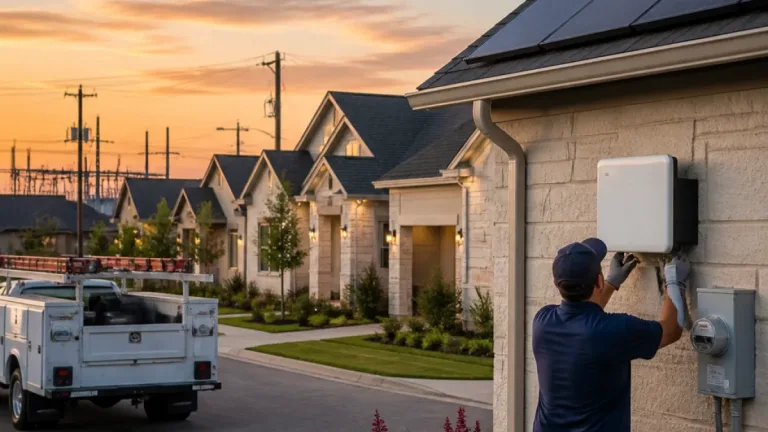
The event also addressed the need for traditional solar installers to adapt as storage becomes more central to residential energy systems. The discussion covered both the technical role of batteries in managing capacity and the business models needed to connect distributed systems with utility and wholesale-market needs.
- Residential storage: batteries are being positioned for capacity management in addition to outage backup.
- Virtual power plants: coordinated home systems can operate as distributed resources through programs such as ADER.
- Grid constraints: local capacity shortages can persist even where broader infrastructure remains underused.
The discussion at pv magazine USA Week 2026 therefore framed residential storage as part of the US power system’s response to new loads, rather than solely as equipment for individual homes. Its focus was on the connection between distributed batteries, grid capacity and the emerging VPP market.