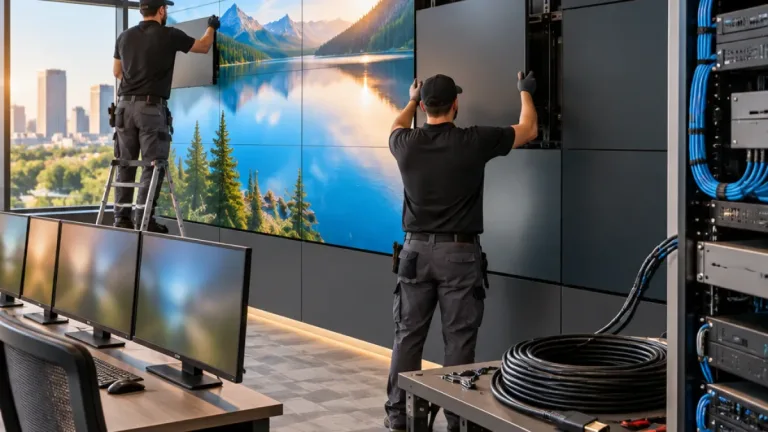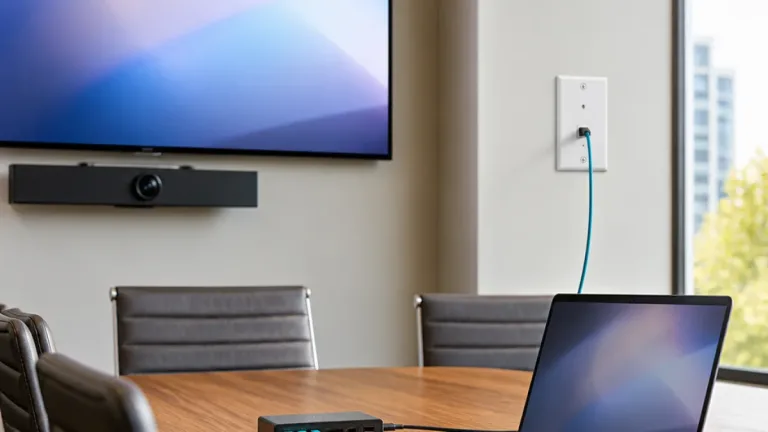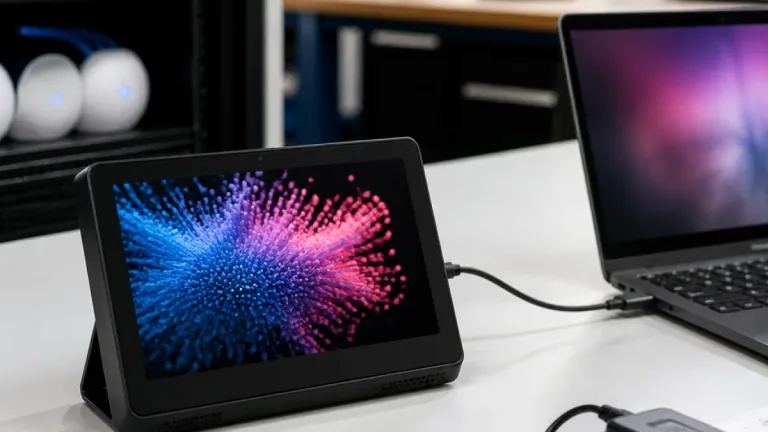
AVPro Edge has introduced the AC-MXNET-10G-MSE, a 10G multi-stream encoder designed for hybrid AV-over-IP installations. The unit produces an uncompressed 4K SDVoE stream for 10G video distribution while generating a simultaneous 1080p H.265 stream for MXnet USP endpoints.
The product is available now and is intended to let integrators combine high-bandwidth, low-latency video delivery with lower-bandwidth IP streaming without duplicating sources, encoders or network infrastructure. That architecture is aimed primarily at commercial environments, including corporate and workplace facilities, higher education, medical applications, hospitality, live events and other projects that distribute video across spaces with different performance requirements.
One encoder, two distribution paths
On the primary path, the MXNET-10G-MSE sends video through SDVoE to 10G-TCVR decoders. AVPro Edge says this stream supports up to 4K/60fps 4:4:4 8-bit YCbCr and is intended for applications where image performance and immediate response are important. The company describes the 4K output as visually lossless and zero latency, claims that apply to the manufacturer’s stated SDVoE implementation.
At the same time, the encoder creates a 1080p H.265 stream that can be distributed to MXnet USP decoders through AVPro Edge’s Flow technology. This gives a project a second delivery tier for locations that do not require the primary 4K signal, such as secondary displays, lobbies or other areas across a facility.
| Product | Primary stream | Secondary stream | Availability |
|---|---|---|---|
| AVPro Edge AC-MXNET-10G-MSE | 4K SDVoE over 10G to 10G-TCVR decoders | 1080p H.265 to MXnet USP endpoints | Available now |
Implications for system design
For integrators, the dual-stream arrangement changes how sources and network paths can be allocated. A projector, video wall or other primary display can receive the 4K SDVoE feed, while a separate zone receives the H.265 version from the same encoder. The approach can reduce endpoint duplication and simplify source distribution in larger systems, provided the network is designed around the different transport requirements of the two streams.
- 10G path: 4K SDVoE distribution to 10G-TCVR decoders.
- Lower-bandwidth path: 1080p H.265 distribution to MXnet USP endpoints.
- Source strategy: both streams originate from one MXnet 10G-MSE encoder.
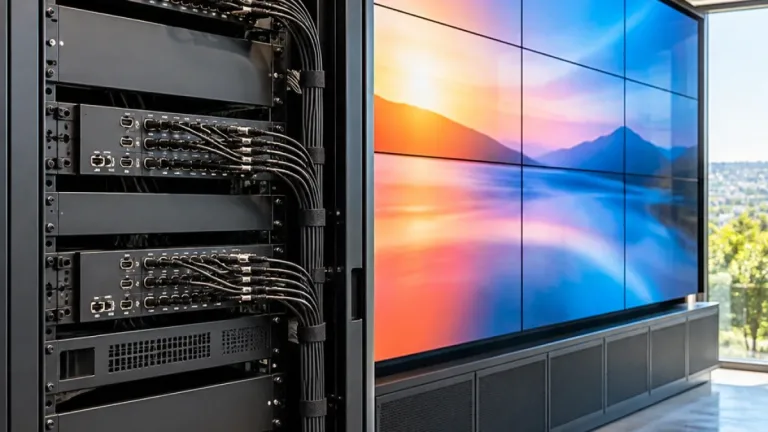
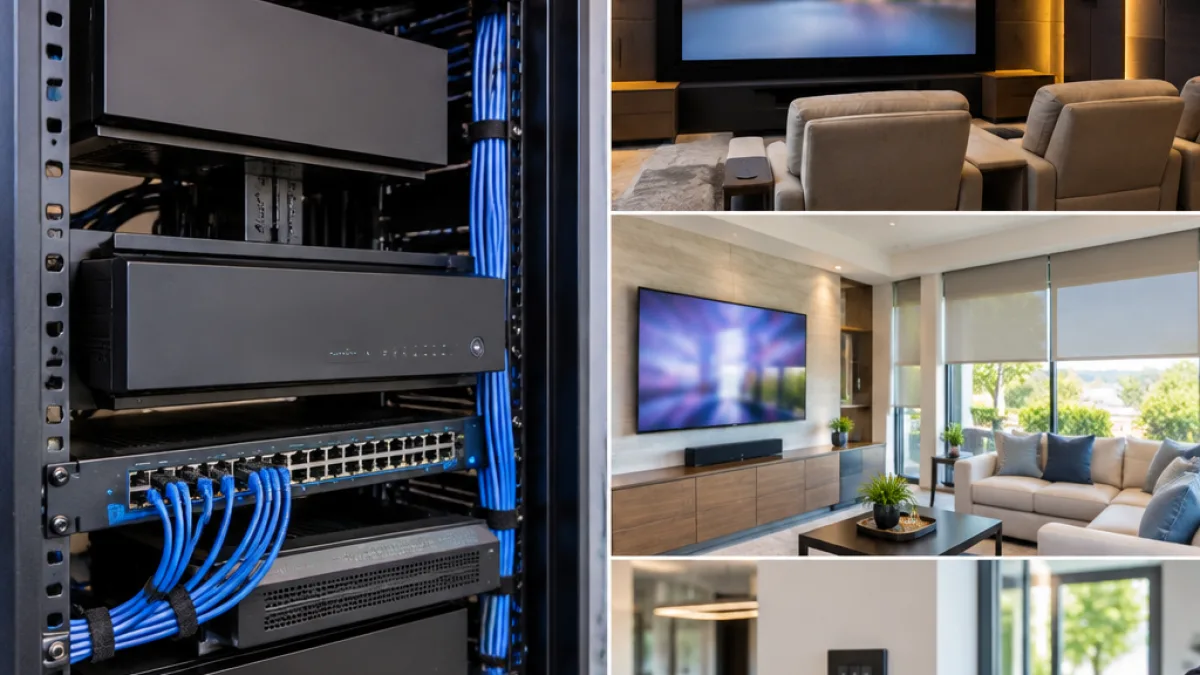
The distinction between the two outputs is also relevant when planning rack equipment and cable runs. The primary SDVoE route requires the 10G MXnet ecosystem and compatible 10G-TCVR decoding, while the secondary route uses MXnet USP endpoints. Integrators therefore need to map each display zone to the appropriate decoder class rather than treating every endpoint as a 4K destination.
AVPro Edge positions the MXnet 10G-MSE as a way to reduce hardware count, installation cost and long-term maintenance in hybrid AV-over-IP systems. Its stated commercial applications include projectors, video walls and surgical monitoring on the 4K side, with the parallel 1080p stream serving additional areas across facilities or campuses.