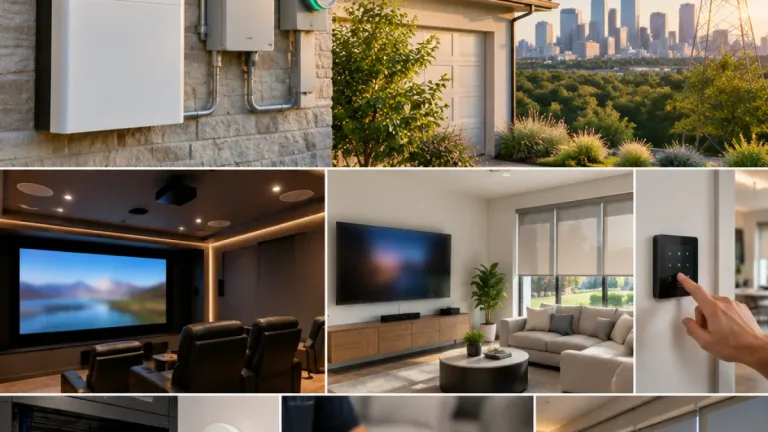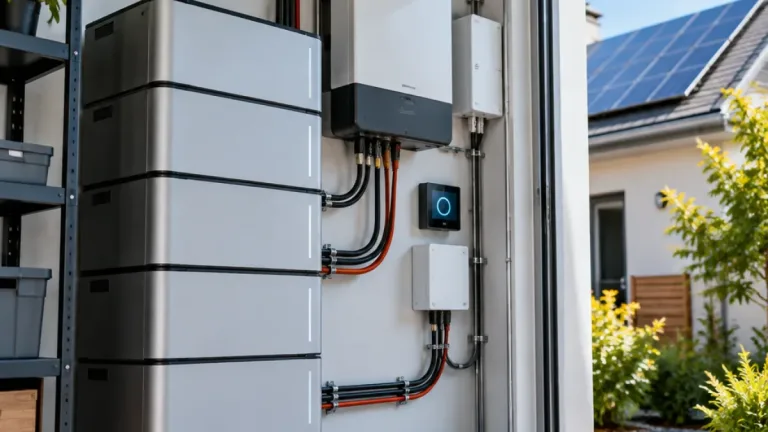

California’s October 6 heat wave provided a high-profile example of how residential energy storage can contribute to the wider electricity system. According to the energy-focused nonprofit Common Charge, home batteries from Tesla and Sunrun delivered enough power during peak hours to serve every home in San Francisco and San Jose, cities with a combined population of about 1.8 million.
The result was reported by Grist as part of its coverage of a more flexible grid model, in which electricity stored at homes can be dispatched when demand rises. The approach moves beyond the traditional arrangement in which utilities forecast periods of heavy use and increase generation, often relying on natural gas plants or electricity imported from other states.
Storage extends the value of residential solar
Residential solar generation typically peaks during daylight hours, while demand can climb later in the day as people return home and use air conditioning and other electrical loads. Batteries allow excess solar production to be retained after generation falls, creating a second period in which that stored energy can serve the home or be sent to the grid.
The October 6 event also illustrates the role of distributed resources during extreme weather. Rather than depending only on large generating facilities, the system can draw on numerous smaller storage assets located close to electricity users. Common Charge said that this local supply can reduce the need to build new gas plants or obtain additional electricity from outside the state when demand exceeds local generation.
“It also helps the neighbor who doesn’t have solar and batteries,” said Mary Rafferty, executive director of Common Charge.
What the reported event shows
| Item | Reported detail |
|---|---|
| Weather event | California heat wave on October 6 |
| Battery providers identified | Tesla and Sunrun |
| Peak-hour contribution | Enough power for every home in San Francisco and San Jose |
| Combined population of the cities | About 1.8 million |
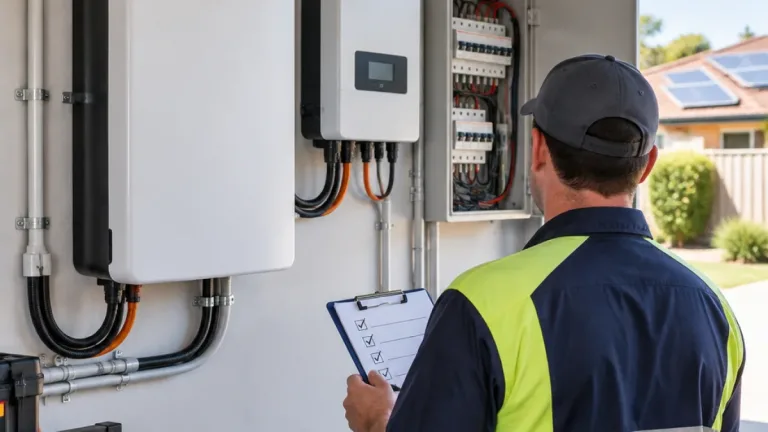
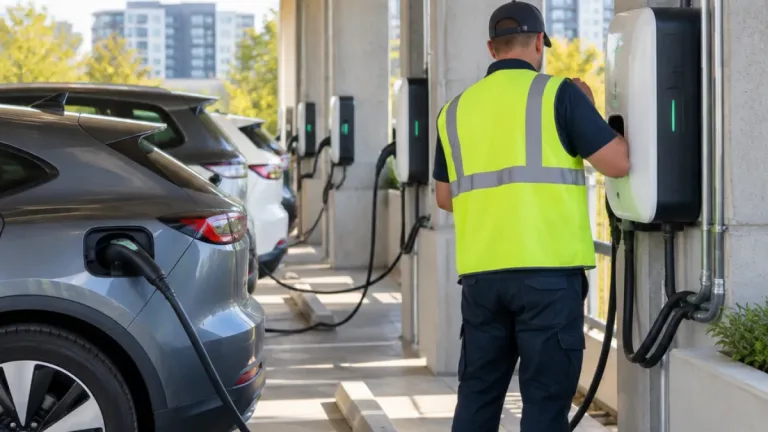
The development expands the energy role of residential technology beyond backup power and self-consumption. The account describes home batteries as resources that can supply electricity to other users, with owners compensated for contributing power to the energy system. Electric vehicles are also identified as another potential source of stored energy that could participate in this more active grid model.
The shift has consequences for the companies and professionals connecting residential energy equipment. Solar arrays, batteries and electric vehicles become parts of an integrated energy system rather than isolated devices. The reported California example centers on the timing of production, storage and dispatch: solar energy is available during the day, batteries retain surplus power, and stored electricity is used when demand reaches its peak.
That model also changes how the value of a home energy installation is measured. The benefit described by Common Charge extends beyond the individual property to grid stability and the cost of meeting peak demand. The California heat wave therefore offered a concrete demonstration of distributed storage operating at a scale large enough to affect major urban areas, while showing why residential batteries are increasingly treated as grid assets as well as household equipment.