The global mesh Wi-Fi system market is forecast to expand steadily through 2035, with growth increasingly tied to software, services and ecosystem integration rather than hardware specifications alone. That is the central conclusion of a new IndexBox report covering market history from 2012 through 2025 and projections for the period from 2026 to 2035.
IndexBox’s baseline scenario assigns the category a compound annual growth rate of 8.2% between 2026 and 2035. Its market index is projected to reach 220 by 2035, using 2025 as the base year at 100. The report attributes the expected expansion to the normalization of remote and hybrid work, rising connected-device counts in homes and continued replacement demand.
Mesh moves toward infrastructure status
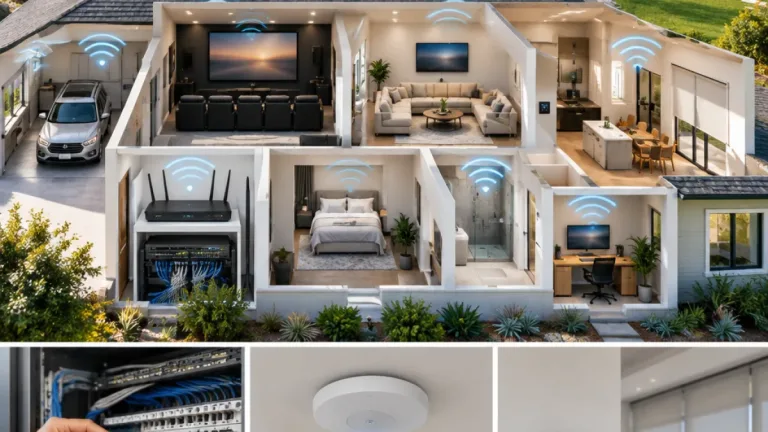
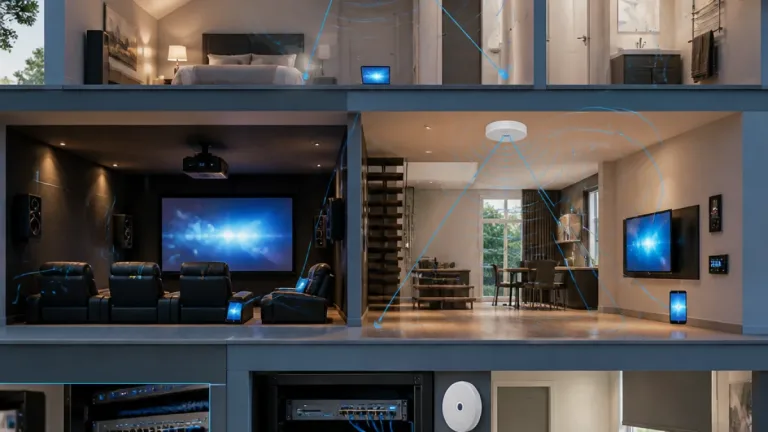
The report describes mesh Wi-Fi as moving from a premium product aimed at early adopters toward a mainstream home-electronics category. Households are relying on wireless connectivity for work, entertainment and smart-home management, increasing the importance of consistent coverage across the residence.
IndexBox says the market is dividing into two broad demand groups. One is centered on performance claims such as speed, coverage and security. The other prioritizes basic reliability and affordability. That split is contributing to more distinct value and performance tiers, while also creating room for private-label and value-brand products.
- Performance-led demand: centered on speed, coverage and security claims.
- Value-led demand: focused on basic reliability and affordability.
- Category direction: software, services and ecosystem integration are gaining importance alongside hardware.
Retail channels gain leverage
Brand control is under pressure as the category matures, according to IndexBox. Mass-market retailers are increasingly influencing product terms through private-label programs and exclusive stock-keeping units. The report also identifies dominant omnichannel retailers and major e-commerce platforms as increasingly important routes to market.
Those channels use mesh Wi-Fi products to attract traffic and encourage additional purchases, while the category’s expanding reach gives value brands more opportunities to compete. The report characterizes channel conditions as increasingly saturated, with price competition intensifying as the technology becomes more familiar to consumers.
| Measure | IndexBox forecast |
|---|---|
| Forecast period | 2026-2035 |
| Baseline CAGR | 8.2% |
| Market index in 2035 | 220, with 2025=100 |
| Historical coverage | 2012-2025 |
Services become part of the category
IndexBox identifies a shift away from a specification-only approach to product development. Software and services are becoming more prominent, with ecosystem integration creating the possibility of recurring revenue streams. The report does not limit that change to network hardware; it places mesh Wi-Fi within a broader home-infrastructure market shaped by connected devices and ongoing service relationships.
By 2035, the category is expected to function more like a utility-style element of residential infrastructure. IndexBox links that longer-term outlook to replacement cycles, new-home construction and the continued proliferation of connected devices. The forecast therefore presents mesh Wi-Fi growth as a gradual expansion of an established home technology category, rather than a short-term surge driven by a single wireless standard or product generation.